
An expandable dining table can be a space-saver, but it isn’t always the simplest option for everyday living. The biggest drawbacks usually come down to weight, upkeep, and how the table feels (and functions) when it’s extended versus when it’s closed.
Leaves, rails, locks, and hinges add convenience, but they also add components that can loosen over time. You may need occasional tightening, alignment checks, or lubrication so the extension mechanism glides smoothly and doesn’t wobble.
Many extendable tables are built sturdier to support the seam and extension hardware, which can make them noticeably heavier than a fixed-size table. That can be a drawback if the dining area gets rearranged often or if the table needs to be shifted for cleaning.
When expanded, some tables develop a visible seam between sections or a slight height difference where the leaf meets the top. Even a small gap can be annoying for writing, certain board games, or keeping placemats and plates perfectly stable.
Not every model stores the leaf inside the table. If the leaf has to be stored separately, it takes up closet or garage space and can be awkward to carry without chipping edges—especially with heavier wood leaves.
Extension hardware and split bases can limit legroom or reduce how many chairs fit comfortably along the long sides. In some designs, the table looks less cohesive when extended, which matters if the dining area is visible from the rest of the home.
Because of the extra engineering and materials, an expandable table often costs more than a similarly sized fixed table in the same finish and build quality.
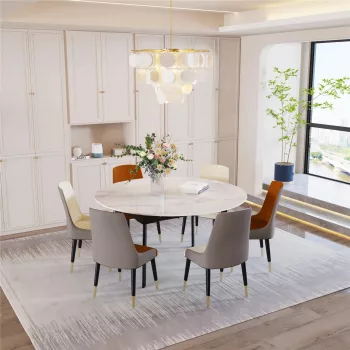
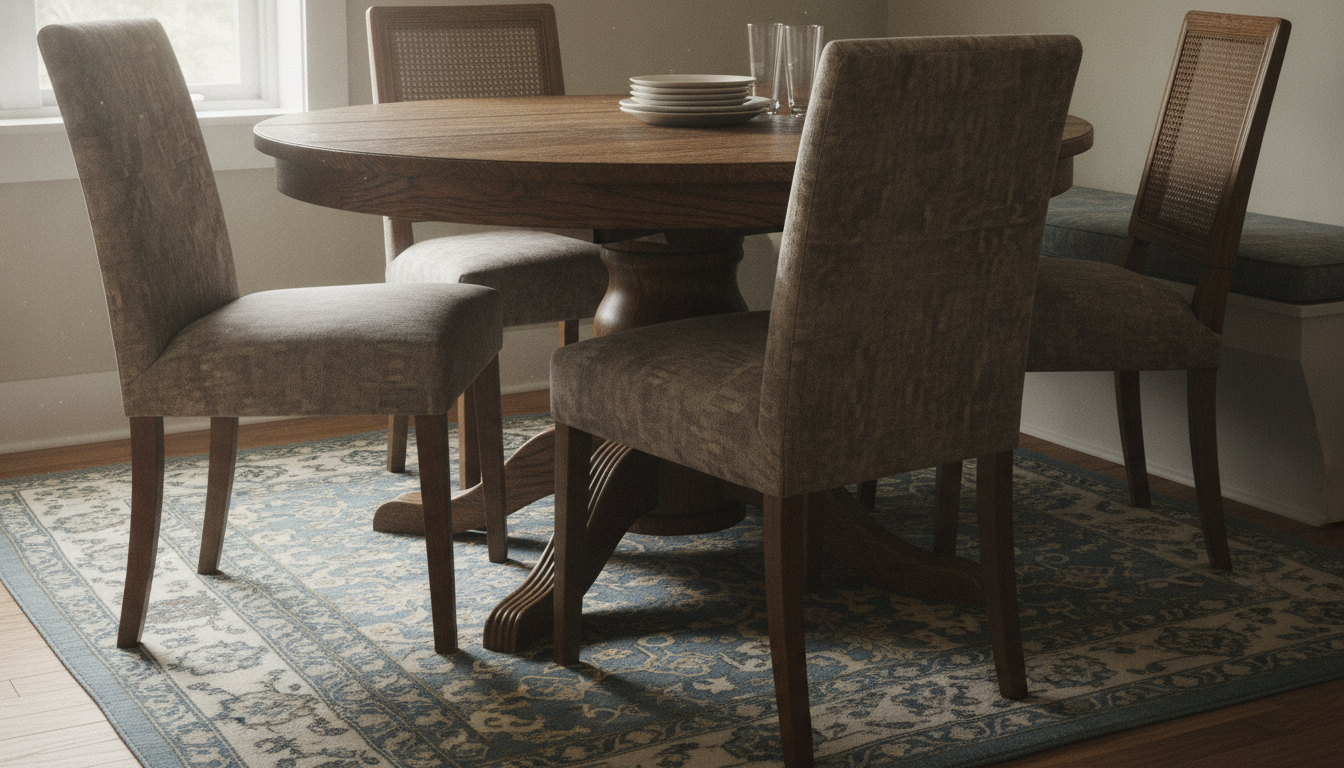
For a closer look at how extendable tables work—especially round options that expand for hosting—visit this guide to round extendable dining table sets.
Stability depends on the base design and the quality of the extension rails. Pedestal bases can feel solid, but lower-quality mechanisms may introduce wobble when fully expanded.







Leave a comment