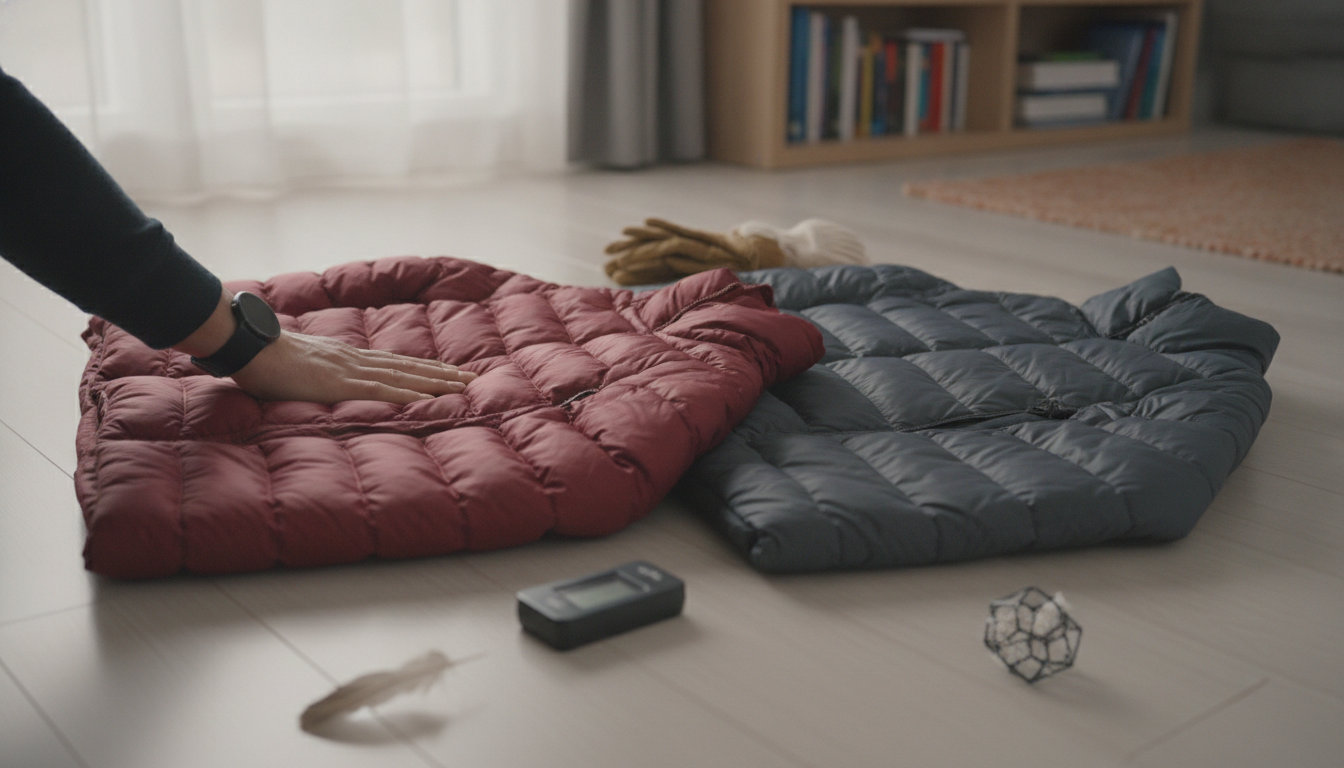
The warmest and lightest winter jacket is typically a high-fill-power down jacket (often 850–1000 fill power) paired with a thin, tightly woven shell fabric and an efficient baffle design that prevents cold spots. In practical terms, an ultralight down parka with a well-insulated hood, draft protection at the zipper, and box-baffle construction can deliver serious warmth at surprisingly low weight—often outperforming heavier jackets that rely on bulk rather than insulation efficiency.
Down’s advantage is how much still air it traps relative to its weight. Higher fill power means the down lofts more, creating thicker insulation with fewer ounces. That’s why a jacket with less fill by weight can feel warmer than a heavier one if the down quality and construction are better.
Small design choices can make a light jacket feel dramatically warmer: a snug, insulated hood; elastic or adjustable cuffs; a hem drawcord; and a draft tube behind the zipper. Box baffles (instead of sewn-through lines) reduce heat loss at the seams, though they can add a little complexity and cost.
If the jacket will be used in wet snow, coastal cold, or frequent drizzle, a premium synthetic (such as active or “Gold” grade insulation) can maintain warmth better when damp. Synthetics are often slightly heavier for the same warmth, but they’re more forgiving in real-world moisture and drying time.
For a deeper comparison of insulation types, construction details, and what to look for before buying, visit the full guide on the warmest and lightest winter jacket.
Match the jacket to your coldest expected conditions and your activity level: higher output activities need less insulation, while standing still requires more. Prioritize wind protection and a good hood if you’re often outdoors in exposed areas.








Leave a comment