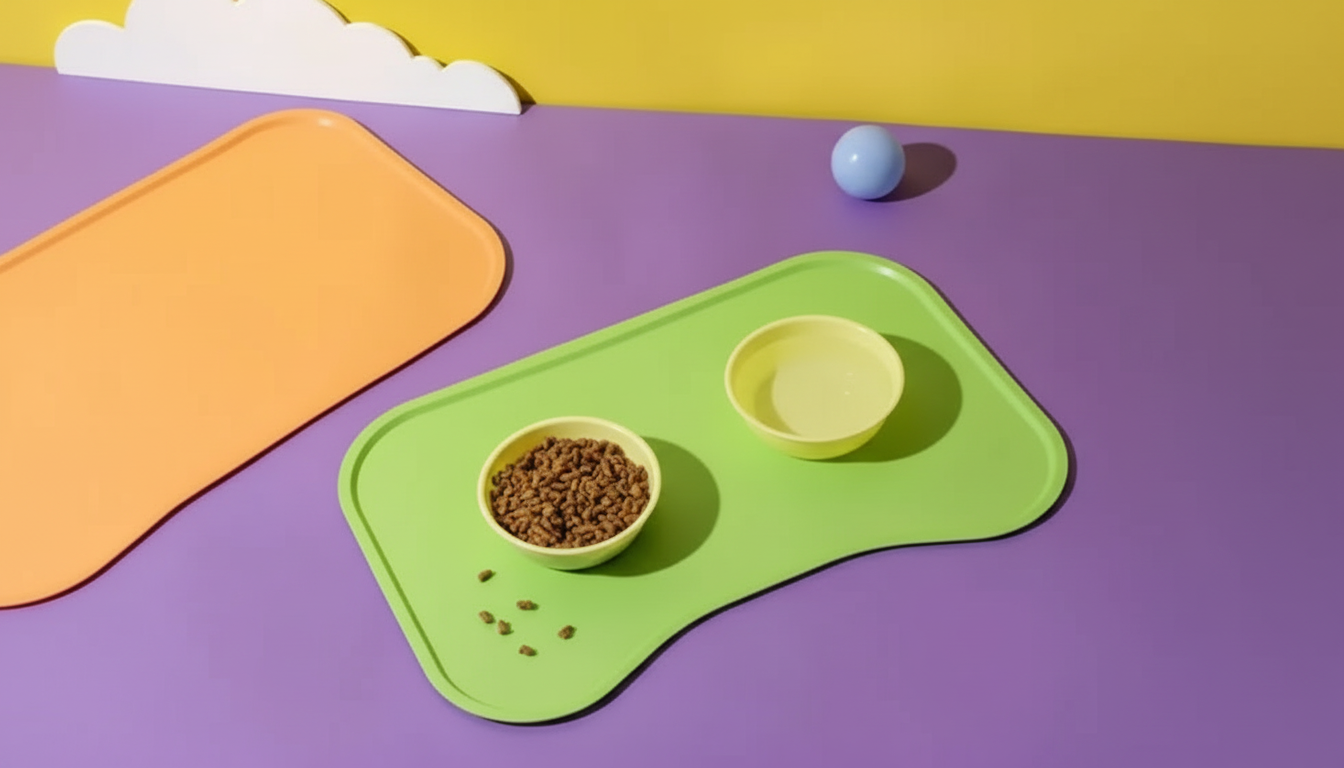
A well-placed bowl can still lead to splashes, drips, and kibble scatter. A silicone feeding mat helps keep food and water contained, protects floors, and makes cleanup quick—especially for messy eaters, excited drinkers, and multi-pet homes. With a simple barrier between the bowl and your flooring, daily feeding feels less like damage control and more like a routine that stays put.
Feeding stations collect a surprising amount of mess in a small area. A silicone mat creates a dedicated “landing zone” for everything that misses the bowl.
For homes with smooth flooring, even a small amount of water can leave dull spots or repeated marks over time. A mat helps reduce contact between moisture and your floor finish, while also keeping bowls from “creeping” across the room as pets eat.
Not all mats behave the same once there’s a full water bowl, an eager nose, and a few fast laps involved. A few details make a noticeable difference.
Think of sizing as spill planning: you want enough coverage to catch the mess your pet makes, not just the footprint of the bowl.
| Setup | Recommended Mat Coverage | Best Rim Height | Notes |
|---|---|---|---|
| 1 bowl (food) | Bowl base + a few inches all around | Low to medium | Helps catch crumbs and prevent bowl creep |
| 2 bowls (food + water) | Both bowls + extra space between and around | Medium | Reduces water marks around the feeding zone |
| Water fountain | Entire fountain base + overflow zone | Medium to high | Prioritize splash containment and easy drying |
| Messy drinker (dog) | Extra-wide area in front of the bowl | High | Catches drips from the muzzle after drinking |
Even the best mat works better with a smart setup. A few small placement tweaks can reduce tracking, odor, and surprise puddles.
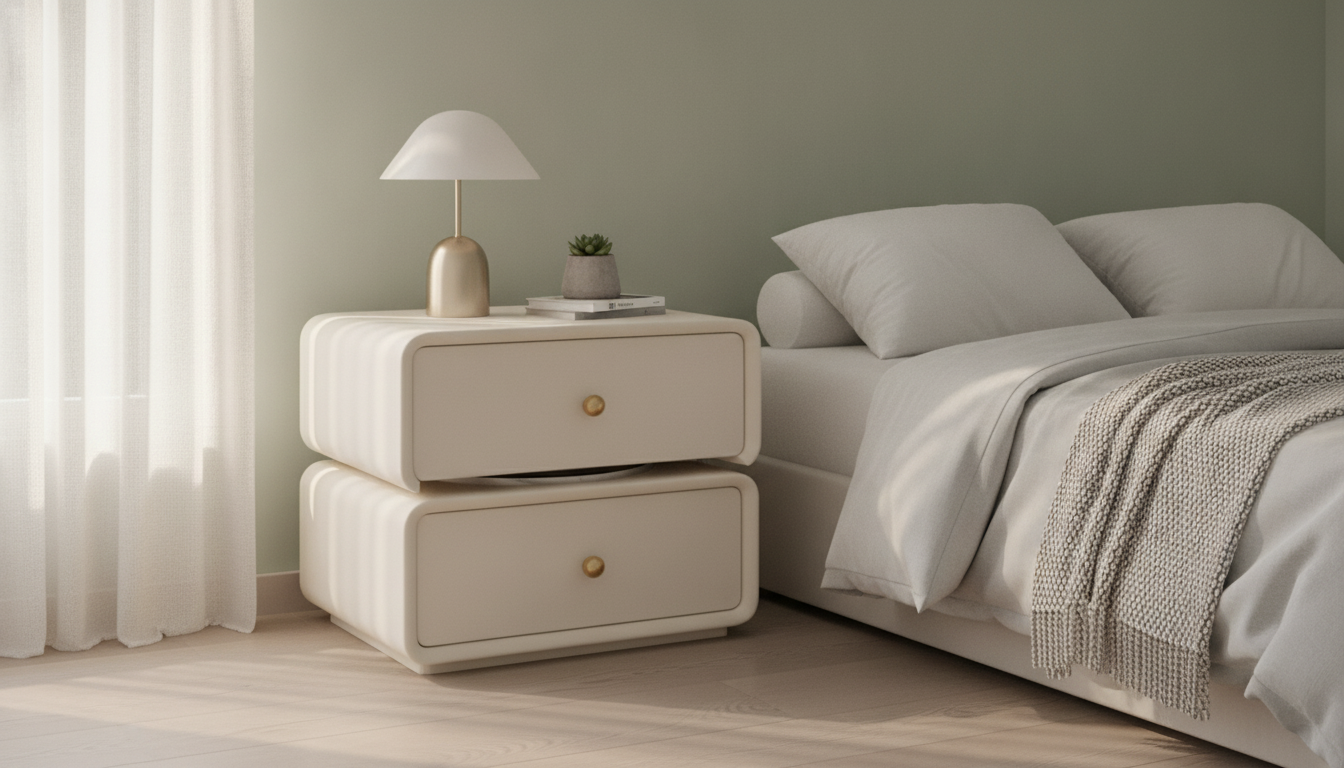
If you’re building a more organized feeding station, a nearby storage surface can help keep food bins, wipes, and grooming tools in one place. A piece with enclosed compartments can reduce visual clutter and keep curious pets out of supplies.
Consistent light cleaning beats occasional deep scrubbing—especially around water bowls.
For broader pet-care best practices—like maintaining clean food and water areas—reputable guidance is available from organizations such as ASPCA: Caring for Your Pet.
If you’re ready to simplify mealtime cleanup, the Silicone Pet Bowl Mat is a straightforward option designed for everyday use.
For homes that want a more “set it and forget it” feeding corner, pairing a stable mat with a dedicated storage piece—like the Boho-Chic Oak Wood TV Stand with Storage for 75+ Inch TVs—can help keep pet essentials tucked away and the area looking tidy.
Many are, especially when made from food-grade silicone that’s intended for food-contact use. Verify the product’s material claims, avoid mats with strong chemical odors, and supervise pets that tend to chew non-food items.
Clean the floor and the underside of the mat to remove dust or grease, then place it on a dry surface. A larger mat and a textured, non-slip base also help keep bowls stable during enthusiastic eating and drinking.
Many silicone mats can, but it depends on the specific item. Check the care instructions first; when allowed, using the top rack and lower heat settings can help preserve the mat over time.







Leave a comment